Alberta, Canada
Mobile App Development in Edmonton (Flutter, iOS & Android)
We build production-ready apps for startups, SMBs, and enterprise teams with clear milestones and senior engineering oversight.
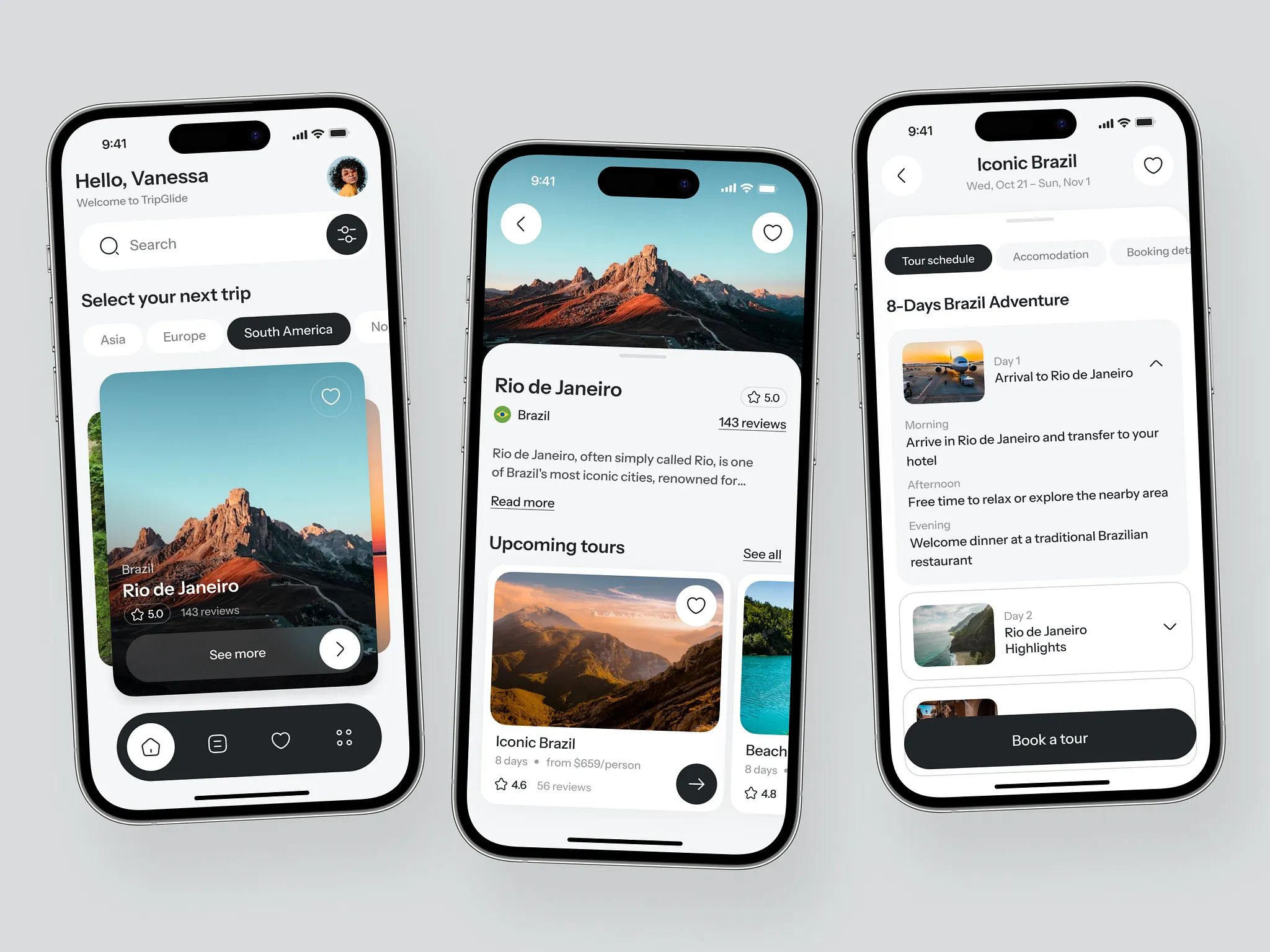
As an app development company in Edmonton, we deliver reliable iOS, Android, and Flutter builds for teams across Alberta. Our work covers discovery, UX, engineering, QA, backend integration, and store launch support. We prioritize performance, security, and maintainable architecture so products ship cleanly and scale without rework.
Learn more about our services, or explore our portfolio before you get in touch.
Overview
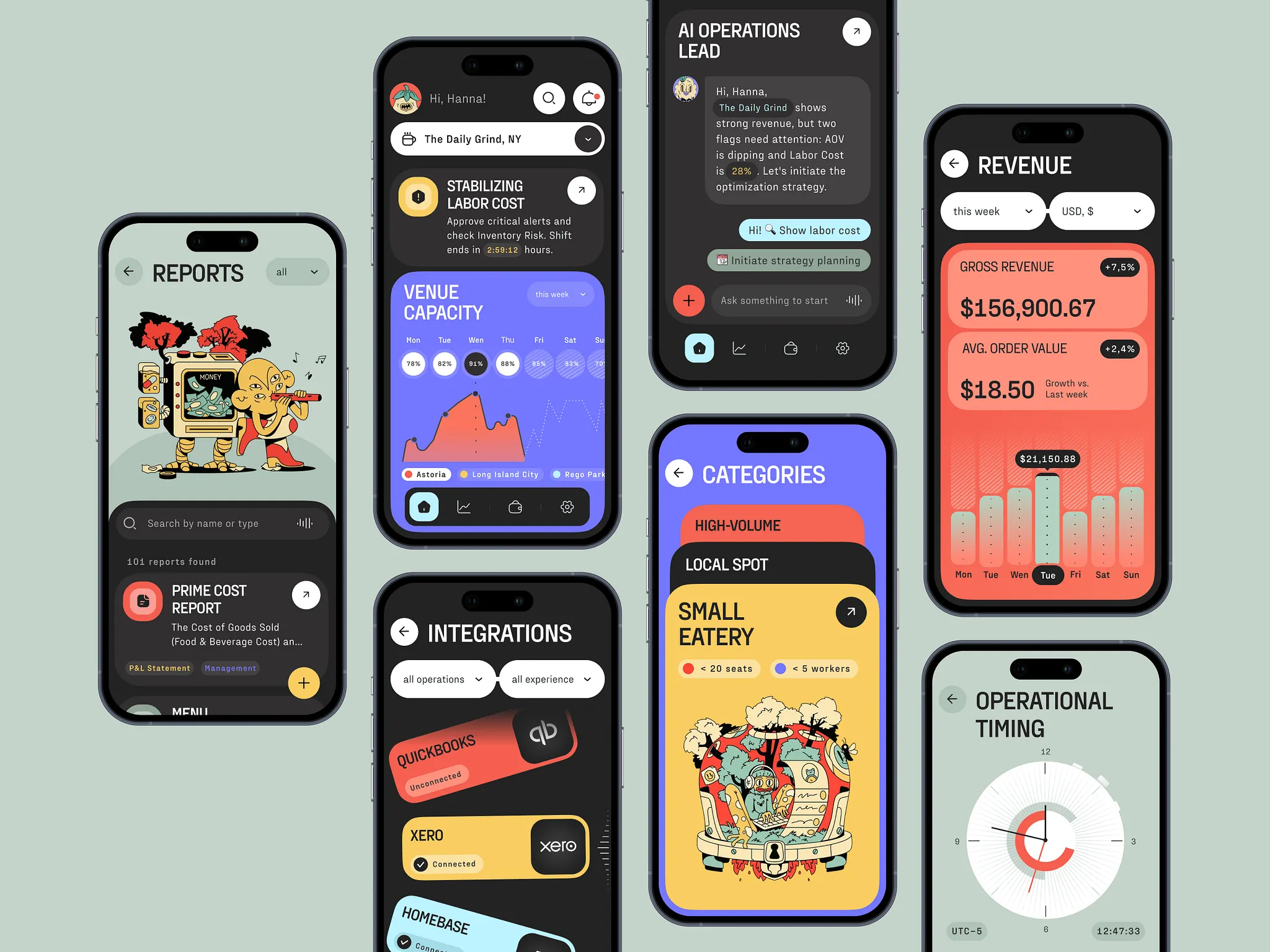
Our team handles product strategy, UX, engineering, and release operations in one delivery track. We support Flutter, iOS, and Android implementations with practical architecture and repeatable release standards.
What's Included
Our Process
Tech Stack
Looking for budget guidance? See pricing or request a proposal.
Sub-Services
Explore focused delivery tracks for specific stacks, release goals, and post-launch support.
Flutter App Development
We build Flutter apps for teams that need one codebase, predictable delivery, and maintainable architecture across iOS and Android.
View serviceiOS App Development
We build native iOS apps in Swift with platform-level performance, release quality, and maintainable architecture for long-term product delivery.
View serviceAndroid App Development
We build Kotlin-based Android apps with stable architecture, release controls, and QA workflows designed for long-term reliability.
View serviceReact Native App Development
We deliver React Native apps with shared components, disciplined architecture, and QA practices that support reliable dual-platform releases.
View serviceMVP App Development
We build MVP mobile apps that validate core workflows quickly while preserving technical foundations for future roadmap expansion.
View serviceApp Maintenance & Support
We provide maintenance and support for existing mobile apps with structured incident handling, release controls, and long-term stability practices.
View serviceFlutter vs Native: what's right for your app?
Both approaches can be effective. The right choice depends on release timeline, feature depth, and long-term maintenance requirements.
| Criteria | Flutter | Native (iOS/Android) |
|---|---|---|
| Best for | MVPs and multi-platform launch plans | Feature-rich apps with platform-specific behavior |
| Speed to market | Faster when shipping iOS and Android together | Slower initially with separate codebases |
| Performance | Strong for most product use cases | Best for advanced graphics and heavy device APIs |
| Budget | Lower initial build cost for dual-platform releases | Higher initial investment, more platform control |
| Access to device features | Good coverage with plugins and custom bridges | Direct access to newest platform capabilities |
| Long-term maintenance | Single codebase reduces coordination overhead | Separate platform ownership, deeper OS-level tuning |
If rapid MVP delivery is the goal, Flutter is usually the practical start. If your roadmap depends on deep platform-specific capabilities, native is often the better long-term fit.
Mobile App Development in Edmonton
We partner with local teams and regional organizations across Alberta for mobile product delivery.
Projects across St. Albert, Sherwood Park, Spruce Grove, Leduc, Beaumont, and Fort Saskatchewan.
Local delivery model
- Same time zone communication and optional in-person workshops.
- Remote or hybrid delivery with weekly demos and review checkpoints.
- Clear handover for internal teams after launch.

Why MMB Tech
Product Strategy & UI/UX
We align product goals with real user needs, then translate them into intuitive flows and polished UI systems.
Engineering, Security & QA
Clean architecture, performance tuning, and rigorous testing help ensure reliability across devices.
Launch & Adoption
We launch with analytics events, onboarding tracking, retention signals, monitoring, and iteration backlogs for steady product improvement.
Proof
- Typically weekly demos and stakeholder check‑ins
- Milestone approvals to reduce delivery risk
- Source code ownership and handover (standard practice)
What We Build
iOS Apps
Native Swift builds focused on stability, lifecycle consistency, and platform performance.
Android Apps
Kotlin-based apps with modular architecture and dependable compatibility across target devices.
Flutter Apps
Cross-platform delivery for teams balancing release speed, budget, and maintainability.
Backend & APIs
Secure API, authentication, and database layers aligned to mobile workflows.
Admin Dashboards
Operational dashboards for users, content, approvals, and reporting.
Maintenance
Ongoing updates, defect resolution, and performance tuning after release.
Industries We Serve
We work across healthcare, fintech, logistics, education, retail, and professional services.
Deliverables
Documentation, handover sessions, and onboarding support are included in every engagement.
What you receive at handover
- Source code repo + access
- Build/deployment notes + environment checklist
- API documentation + integration notes
- QA checklist + release checklist
- Store submission assets + release notes template
- Analytics event map + tracking notes
Engagement Options
Fixed Scope
Best for defined MVPs with clear delivery boundaries.
Sprint-Based
Iterative delivery when priorities evolve during development.
Dedicated Team
Embedded capacity for sustained product development.
How we deliver without surprises
Need adjacent capabilities? See our website development and custom software development services.
Timeline Expectations
Typical delivery windows based on scope and complexity.
What Impacts Cost
These factors shape implementation scope and engineering effort.
Scope bands we quote
- MVP (core flows) — Quoted after discovery
- Multi-feature product — Quoted after discovery
- Enterprise platform — Quoted after discovery
Estimate Inputs
We provide a fixed quote after discovery and scope confirmation.
Request a detailed quoteCase Study Snapshot
Project snapshot
Industry: Field Services
Users: Dispatch team + field technicians
Platforms: iOS, Android, Admin Dashboard
Key features: Booking workflow, dispatch, offline updates, notifications
Stack: Flutter, Node.js API, PostgreSQL, AWS
Timeline: Initial release in 12 weeks
A field services company in Alberta needed to replace a phone-and-email booking workflow with a mobile product that both customers and technicians could rely on daily. Their existing process caused scheduling delays, missed updates, and limited visibility for dispatchers. The goal was a practical first release that improved reliability without overbuilding the system.
We started with a short discovery phase to map user roles, handoff points, and technical constraints. The highest-risk requirements were offline behavior for technicians, dependable status updates, and secure access to customer records. We translated those requirements into acceptance criteria and a staged plan that prioritized booking, dispatch, and job completion flows first.
Design and engineering moved in parallel. UX focused on reducing decision friction and making the next action obvious for each role. On the backend side, we implemented role-based access, auditable workflow events, and API contracts that could support future integrations. This allowed the team to release core functionality quickly while keeping architecture clean for later phases.
Delivery ran in short sprints with weekly demos and explicit release gates. QA covered critical paths across device types and low-connectivity conditions. After launch, the team reduced manual scheduling overhead, improved response consistency, and gained operational visibility through dashboard reporting. Follow-up iterations focused on reliability improvements, not feature bloat.
This project reflects our typical mobile delivery model: discovery first, staged releases, and engineering decisions built for maintainability. If you are planning a new app or modernizing an existing one, we can define a scoped path that balances speed, quality, and long-term support.

FAQ
What does mobile app development cost in Edmonton?
Costs vary by scope, integrations, and platform strategy. We provide a fixed quote after discovery once requirements and acceptance criteria are clear.
How long does a typical mobile app project take?
Most MVPs ship in 6-12 weeks. Broader apps with multiple roles, integrations, and admin tooling generally take longer with staged releases.
Should we choose Flutter or native development?
It depends on product goals. Flutter accelerates multi-platform delivery, while native is often preferred for advanced hardware features and platform-specific performance tuning.
Do we keep ownership of source code and deliverables?
Yes. Source code ownership and handover scope are clearly defined in the project agreement.
Do you provide maintenance and support after launch?
Yes. We offer post-launch support options for bug fixes, dependency updates, monitoring, and feature iterations.
Can you help with Apple App Store and Google Play approval?
Yes. We support store submission, release artifacts, and issue resolution during review.
Can you build backend systems and admin dashboards too?
Yes. We build APIs, data models, and operational dashboards when your app requires internal workflows and reporting.
Can you integrate payments, maps, and CRM tools?
Yes. We regularly integrate payment gateways, mapping services, CRM systems, and internal APIs.
How do you handle security and privacy?
We apply a secure development baseline, role-based access patterns, protected API design, and environment-level controls.
Do you work locally or across Canada?
We work with local teams and clients across Canada using remote, hybrid, or on-site collaboration models.

Ready to build your mobile app?
Talk with our team about scope, timeline, and the best build approach for your product.